
6 Beiträge in Kategorie: Master’s and PhD students projects
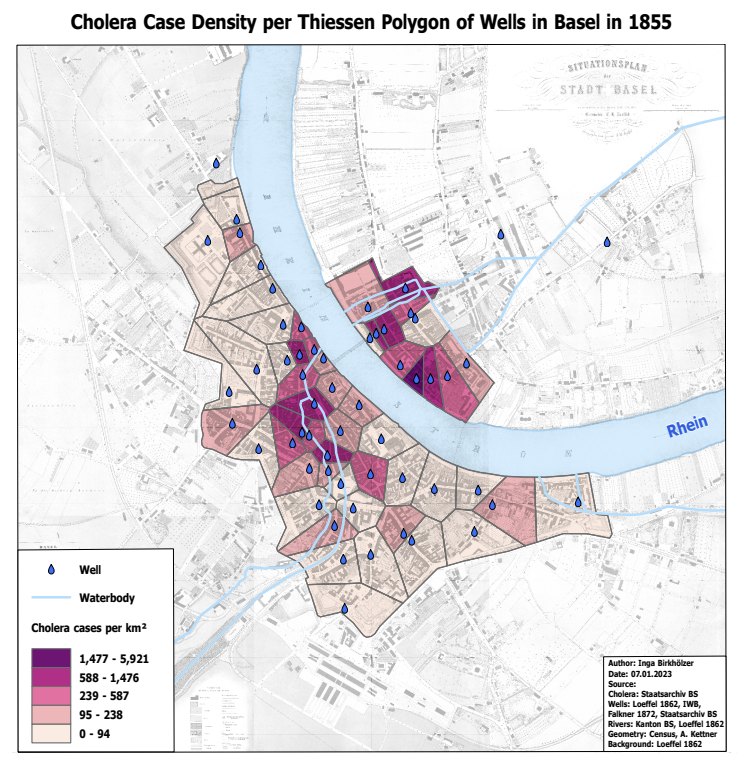
Cholera 1855 in Basel: Between History, Epidemiology and Geographic Visualisation
In 1854, Dr. John Snow creates a map of cholera cases in London’s Soho district. He can thus show that the disease is transmitted through contaminated water. In her Master’s thesis, Inga Birkhölzer investigated what can be extracted today from the cholera figures of 1855 in Basel using geographical visualisation.
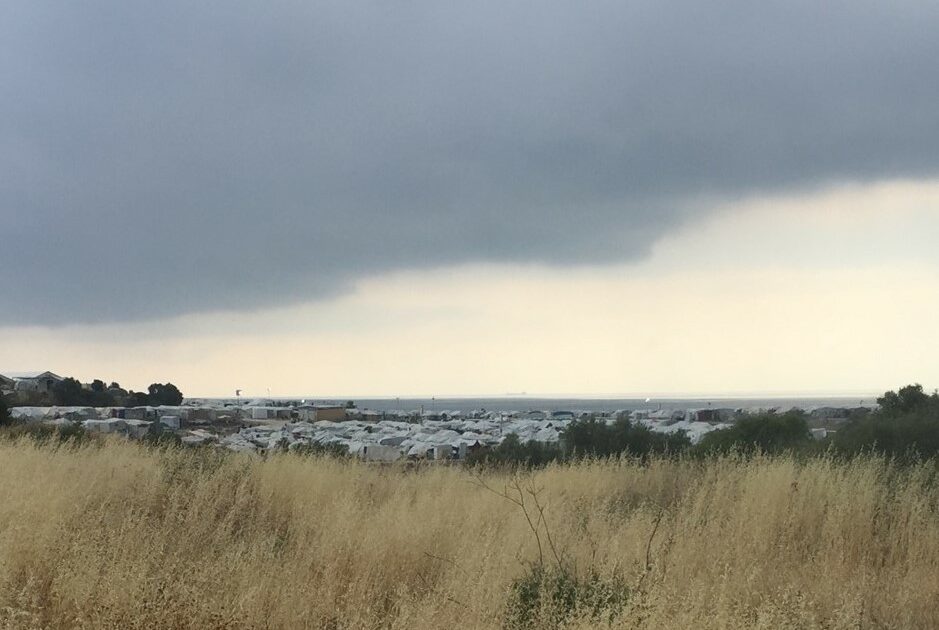
Climate migration: The value of refugee perspectives
How will the impact of climate change affect already increasing global migration flows, especially in Europe? In my master’s thesis, I conducted 27 semi-structured interviews with refugees and asylum seekers in Greece from eleven different countries.
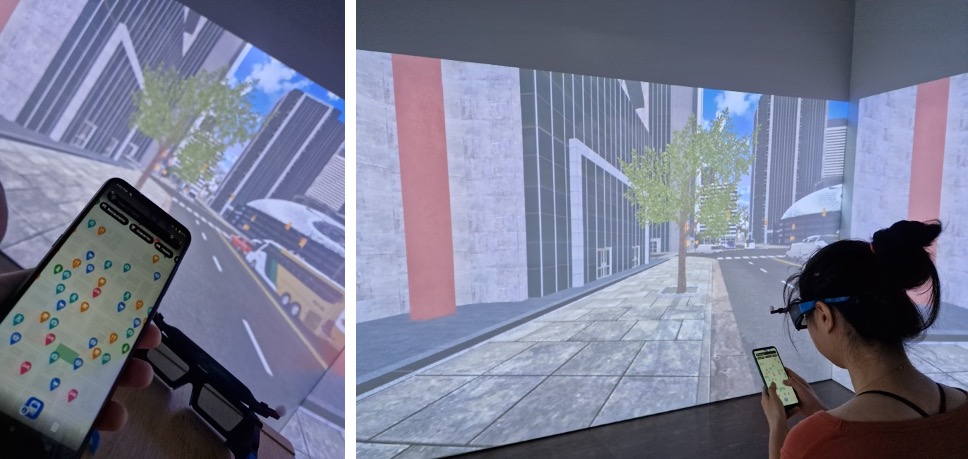
Shape the future of mobile map design: We need your help!
Have you ever used a map app on your smartphone outdoors and had to pause your activity midway because the sunlight was just too bright so you couldn’t read the map properly? Or have you ever tried finding your way to a coffee shop downtown efficiently without getting shoved by the crowds?
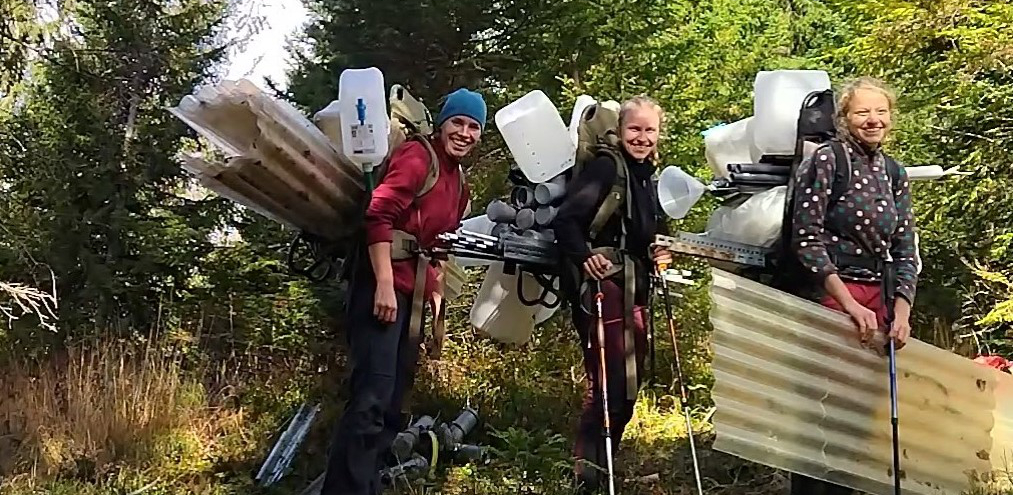
From thrilling outdoor life to boring winter quarters
Hi everyone, my name is Tube Bernoulli, a new member at the GIUZ. Well, not exactly a member like all the others who write blogs here. I am an instrument for measuring surface runoff rates.
Buddy Program: Helping new PhD students to settle in faster and happier
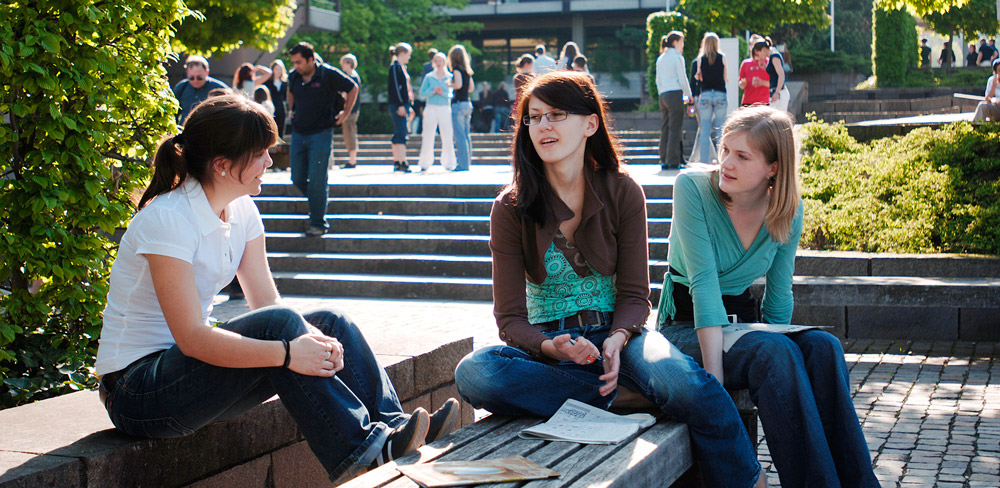
What is the agreement form? Which IT infrastructure is available at GIUZ? What amount of teaching duties can I expect? Your buddy can help you with all these questions!
Remote field research and silver linings
Combining the topic of agroforestry with fieldwork in rural Tanzania seemed like the golden combination for a fascinating master’s thesis. But then the pandemic came and travelling was impossible. Nevertheless, interviews took place and yielded highly interesting results – and second place in the SGAG Prize was finally the icing on the cake.